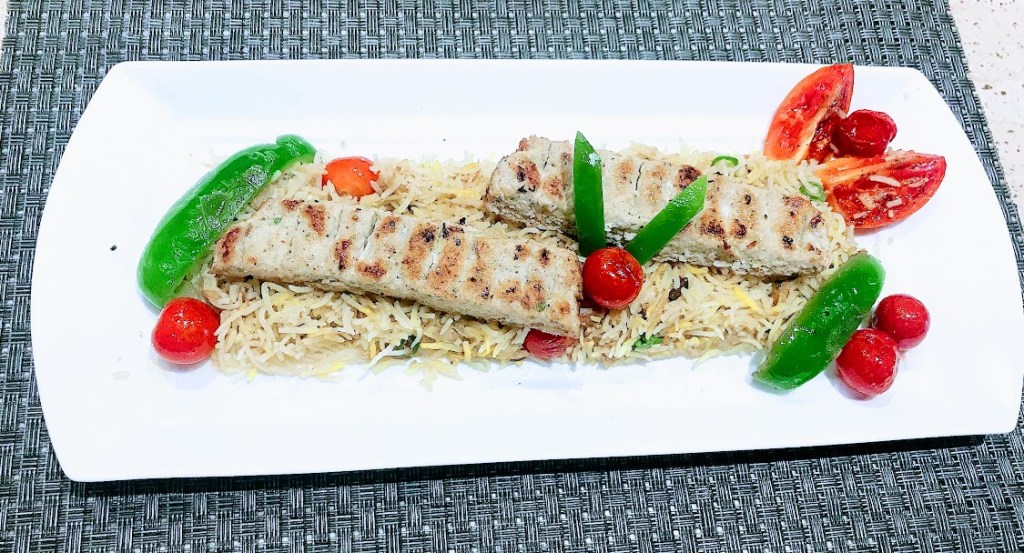
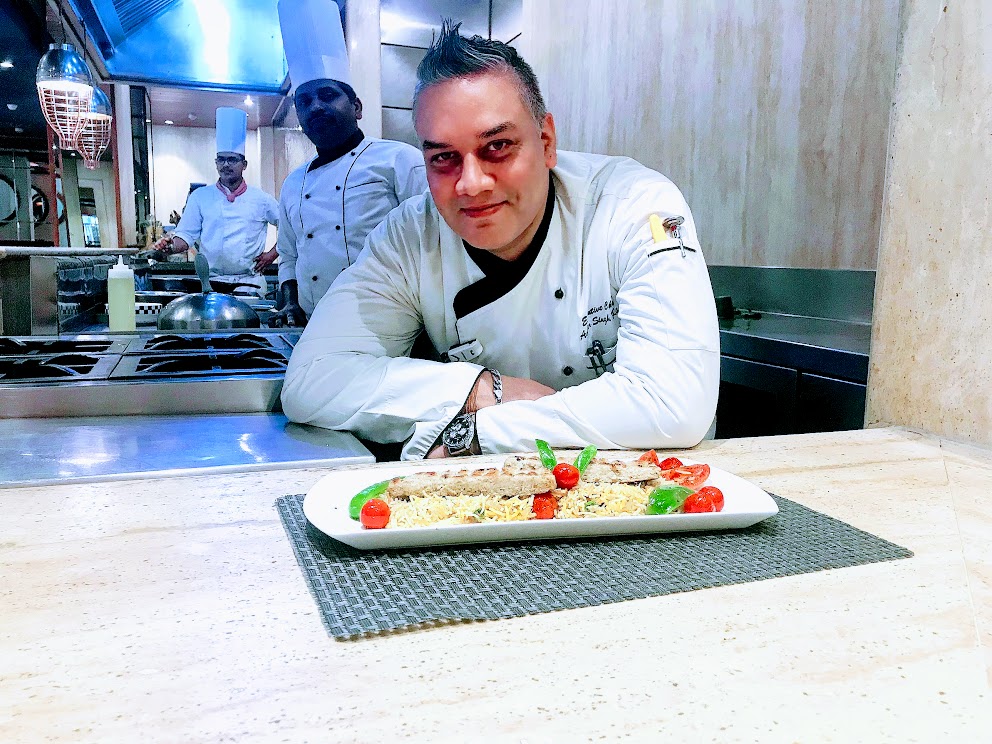
Mince meat kebab, which will really makes lot of difference in your friendship, when you have the party with your love ones
Ingredients for making the Kabob- e- Koobideh
2 medium-sized onions
2 tsp salt
2 lb 85% lean ground beef
2 lavash bread
100 gms Basmati Rice
Method of making the Kabob
Grate onions using a food processor.
Place the onion mixture into a blender and puree until smooth, about 2 minutes.*
Place the onion mixture in a strainer over a bowl and drain the juice. Kabob will not hold its shape if mixture has too much water. Reserve the onion juice.
Using the food processor again, but with the chopping blade, place meat and salt in alternating layers with the onion mixture.
Add onion juice little by little if mixture is dry. Meat-onion mix should have elasticity and stretch to it.
Put kabob mix into big bowl and knead like dough. The more you knead the kabob mix, the lighter the kabob. Texture should be airy, not a solid mass like in a hamburger. Kabob mix shouldn’t be sticking to your hands.
Allow kabob to marinate in a refrigerator in a covered bowl for 2-4 hours.
Remove kabob mixture from the refrigerator and start your charcoal at least 30 minutes prior to grilling.
The amount of meat you use, depends on the size of skewers you have. Long flat skewers work best with ground beef kabob as it holds the meat better than a thin round skewer. For our skewers we started with a baseball-size ball of kabob mix.
Gently pierce the meat patty with your skewer and slide it down to the middle of the skewer. Use reserved onion juice or water to keep your hands moist and to keep them from sticking to the meat.
Softly squeeze the meat flat as you position the meat onto the skewer. Make sure you leave room on either ends of the skewer as it rests over your grill.
Using two fingers to mimic scissors, pinch both ends of the kabob meat, cutting off any excess.
Also using two fingers softly squeeze down the skewer leaving ridges.
Place skewers on the grill. The meat should not touch any grill plates. Instead the skewers should be propped up over your coals or flame. You know your grill is ready when you hold your hand over the grill for 3 seconds and your hand feel too hot to remain there.
Cook until done, approximately 15-20 minutes, turning the skewers every minute to evenly cook. If you wait too long and cook one side too much before turning the skewer, your kabob will fall off the skewer.
As kabobs are done, remove from grill and remove meat from skewers by grabbing it with a sheet of lavash bread and sliding it down the skewer.
Place the basmati rice on a serving dish and placed the kebab on the bed of the rice, served hot with your choice of salad and sauce. you can have it along with lavash bread as well.
Please Note
Serving Suggestions: Serve with basmati rice or lavash bread.
Cooking Tips: The ingredients are simple, but the technique is key. You want the meat mixture to be sticky enough to stay on the skewers and not fall off during the grilling process. Long flat skewers work best with this kabob.
To cook in the oven, form kabob mix into desired shape and place onto a broiler pan coated with non-stick spray. Broil in the oven on the top-most shelf until kabob starts to brown, about 5-7 mins. Turn kabob over & broil for 5 more mins or until cooked through.
The secret to great ground beef kabob is to make sure your onions are pureed very smoothly. You don’t want to taste the onion pieces, as you would in a hamburger. The texture is very different.
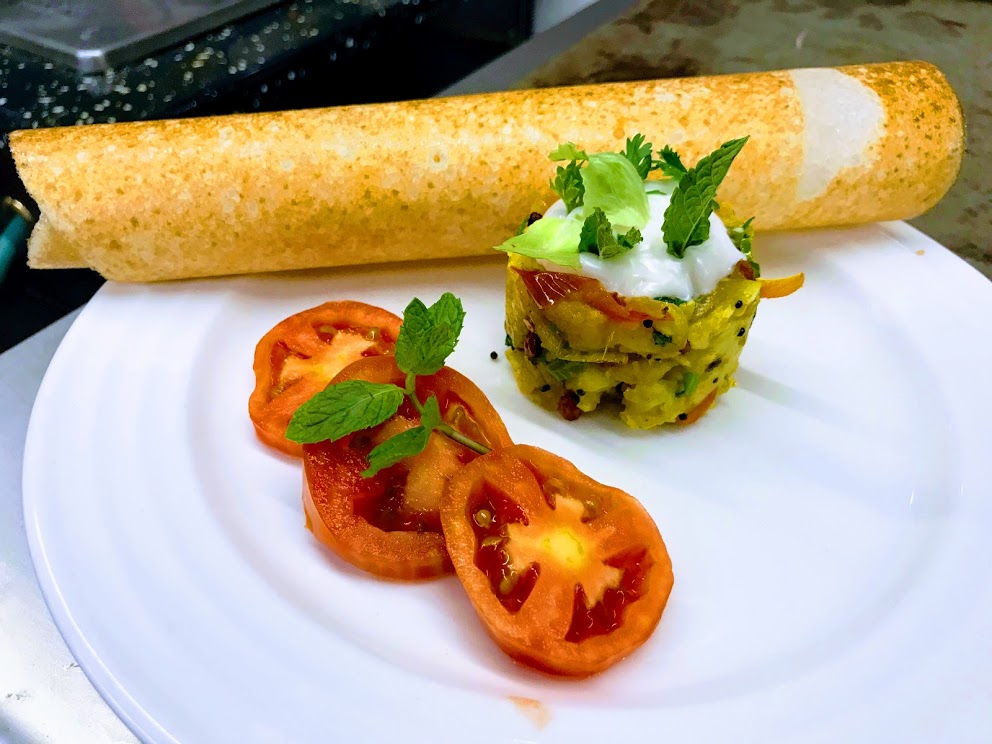
Masala dosa is crisp rice & lentil crepes stuffed with spiced potato masala, now in different variant you can stuffed it with any stuffing of your choice, like cottage cheese, exotic vegetable ratatouille, favorite pasta and many more..
Ingredients for dosa batter
330 grams idli rice
125 grams urad dal
35 grams thick poha or
¼ cup thick poha (flattened rice)
1 tbsp chana dal (husked & split bengal gram)
20 methi seeds (fenugreek seeds)
1 cup water for soaking urad dal
2 cups water for soaking rice
1 cup water for grinding rice & poha
½ cup water for grinding dal
½ tsp rock salt or as per taste
Ingredients for potato masala
300 grams potatoes or
2 cups boiled & chopped or crumbled potatoes
2 tbsp oil
½ tsp mustard seeds
1 tbsp chana dal
150 grams onions
1.25 cups thinly sliced onions
1 tsp finely chopped ginger
8 to 10 curry leaves
1 to 2 green chillies, chopped
¼ tsp turmeric powder
1 pinch of asafoetida (hing)
½ cup water
3 tbsp chopped coriander leaves
8 to 10 cashews , optional
¼ tsp sugar, optional
salt to taste
Method of making the paste/Batter
First take all the ingredients in bowls. Take rice and poha in separate bowls. Take the urad dal, chana dal and methi seeds in one bowl.
Rinse the urad dal, chana dal and methi seeds a couple of times. Then soak them in 1 cup water for 4 to 5 hours.
Rinse the rice a couple of times and keep aside.
Rinse poha once or twice and then add to the rice.
Pour 2 cups water. Stir and soak both rice and poha together for 4 to 5 hours.
Making dosa batter
Before grinding, strain the water from the soaked lentils and keep it for grinding urad dal.
Add the lentils in the grinder jar. Also add ½ cup of the soaked and strained water to the dal. You can even use fresh water while grinding.
Grind the urad dal, chana dal and methi seeds till you get a batter which is light and fluffy. The urad dal has to be ground really well, so that the batter ferments well.
Remove the batter in a bowl or pan with a spatula.
Strain the rice well. Then in the same grinder, add the soaked rice and 1 cup fresh water. You can grind rice in one batch or in two to three batches. This will depend on the size of the grinder jar. I ground in one batch and added 1 cup water for grinding. You can even add ¾ cup water while grinding. Addition of water will depend on the quality of rice.
Grind the rice till you get a fine grainy consistency in it. The rice batter should have a fine rawa like consistency. You can even grind to a smooth batter.
Now pour the batter in the same pan or bowl containing the urad dal batter.
Add ½ teaspoon rock salt or add as per taste.
Mix the salt very well with the batter. Also mix both the batters very well. Cover and keep aside to ferment for 8 to 9 hours. You can keep batter to ferment for less or more time and this will depend on the temperature conditions in your city.
Preparation for potato masala
First rinse and then boil 4 medium sized potatoes in 2 cups water for 5 to 6 whistles in a pressure cooker. You can also boil potatoes in a pan. The potatoes have to be completely cooked
When the potaoes are cooking, soak the chana dal in hot water for 30 minutes. Then drain the chana dal and keep aside.
When the pressure settles down on its own in the cooker, remove the lid. Drain the potatoes and let them become warm. then peel them and chop them.
Also slice the onions thinly and chop the green chilies, ginger and coriander leaves.
Making of potato masala
Heat oil or ghee. Fry cashews and keep aside. This step of frying cashews is optional.
Lower the flame and add mustard seeds and let them splutter. Then add the chana dal.
Saute the chana dal for 2 to 3 minutes on a low flame or till they turn light golden or golden. Now add the sliced onions, curry leaves, green chilies and ginger.
Saute the onions till they soften and turn translucent.
Add the turmeric powder and asafoetida. Mix very well.
Add water. mix well and simmer for 2 to 3 minutes or till the mixture thickens a bit.
Next add the boiled chopped potatoes and mix very well.
Season with salt. Also add ¼ teaspoon sugar for a slight sweet taste.
Simmer on a low flame for 3 to 4 minutes stirring occasionally. The water will reduce and the potato masala will thicken.
Switch off the flame and then add chopped coriander leaves. Also add the fried cashews now and mix well. The potato masala should be moist and easily spreadable on the dosa. Make sure there is no water in the potato masala. It should not be of a curry or gravy consistency.
Stir and keep the potato masala aside.
Making of masala dosa
Lightly stir the batter, before you begin to make dosa. You will also see tiny air pockets in the batter
Heat a cast iron pan or a flat non-stick pan. The pan should be medium hot. Smear some oil if using an iron pan or griddle. Don’t smear oil on a non stick pan, as then you won’t be able to spread the dosa batter.
Keep the flame to a low, while spreading dosa batter.
Spread the dosa batter in a circular way on the pan.
On a medium flame, cook the dosa.
Sprinkle some oil on top and edges
Cover the dosa with a lid and let it cook.
Cook the dosa till its base becomes golden and crisp.
When you see the base has become golden, place a portion of the potato masala on the dosa. You can spread it a bit if you want.
Now fold the dosa and serve.
Serve crisp restaurant style masala dosa hot with coconut chutney and sambar
The best Accompaniment with dosa is its chutney
Red chutney recipe for Mysore masala dosa
Soak 3 to 4 dry kashmiri red chilies (kashmiri lal mirch) in warm water for 30 to 40 minutes – add the number of chilies as per your taste preferences and depending on the type of chilies – whether they are less hot or too pungent.
For a spicy taste in the chutney add 4 to 5 dry kashmiri red chilies. Later drain all the water. Break the chilies and add in a small grinder jar.
Also add 2 tablespoons roasted chana dal (roasted bengal gram or bhuna chana dal), 4 to 5 garlic cloves, 1 teaspoon seedless tamarind and ¼ cup chopped onions. also add salt as required.
If you do not like the raw taste of onions or garlic, then just sauté both in some oil for a few minutes and then add before grinding.
Now add water as required and grind all the ingredients till smooth. grind the chutney to a slightly thick or medium consistency and not to a thin consistency.
Remove the red dosa chutney in a bowl.
Spread this red chutney after dosa becomes golden and crisp. Then spread the potato masala. Fold and serve mysore masala dosa.
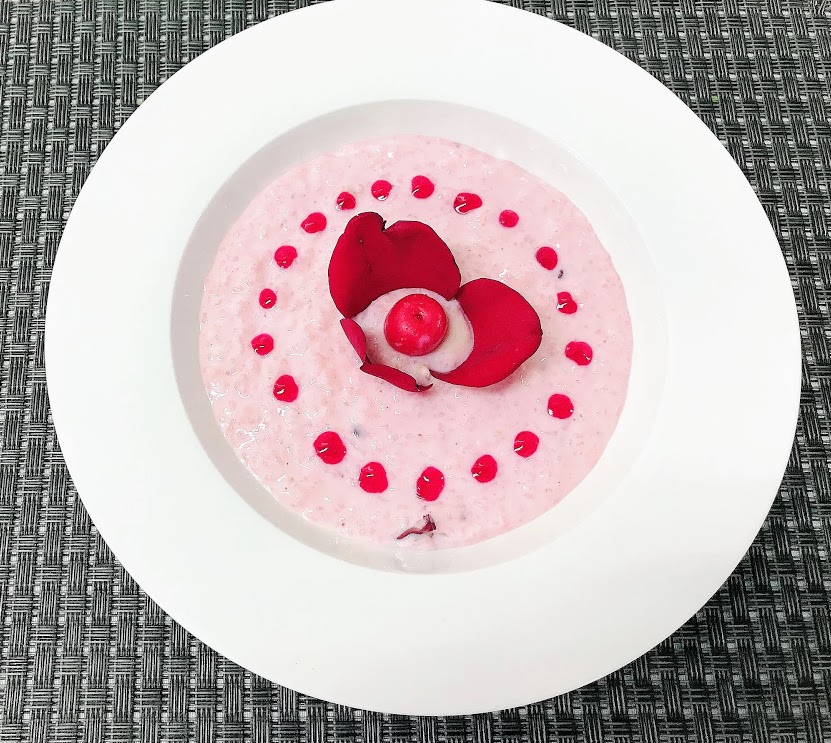
Gulab ki Kheer is a perfect fusion of taste and aroma, which can be prepared without putting in much efforts. Here’s how you can make this easy Gulab Kheer in a short period of time by following some simple steps given below. This delectable kheer recipe is made using full cream and condensed milk along with dry rose petals and rose water. This awsome treat is really make lots of diffrence when you are treating your love ones, enjoy this fabulous recipes and enjoy !!
Ingredients for making the Gulab Ki Kheer
1 liter full cream milk
100 gm sugar
5 drops rose water
100 gm basmati rice
400 gm condensed milk
5 gm dry rose petals
For Garnishing
1 teaspoon flaked almonds
3 to 4 rose petals
Method of making the Gulab ki Kheer
In a heavy bottomed pan, boil milk at a very low temperature for 30 minutes.
Add condensed milk, sugar and cook for another 5 minutes. Then, add basmati rice and cook till the rice is tender. Next stir-in rose petals along with some rose water.
Once done, remove from heat and let it cool for a while. Garnish with almond flakes. Your Gulab Kheer is ready to be relished.
Cook the green beans in a pan of boiling water for 4 minutes. Plunge them into a bowl of cold water.
Cook the eggs in a pan of boiling water for 8 minutes. Drain in a sieve under cold running water until cold. Peel and cut the eggs into quarters.
For the dressing, whisk the oil, vinegar and mustard in a large bowl until thick. Season with black pepper.
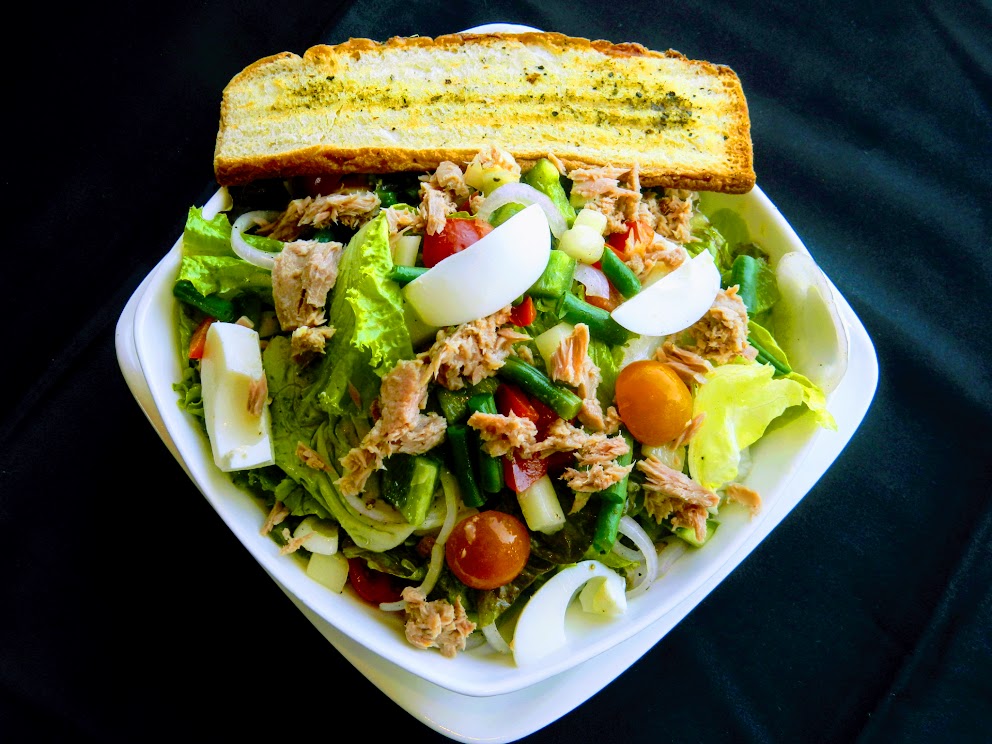
Add the green beans, mixed beans, cherry tomatoes and spring onions, lettuce, avocado to the dressing and mix. Flake the tuna on top and add the hard-boiled eggs. Season with black pepper. and enjoy this healthy preparation before or after exercise.
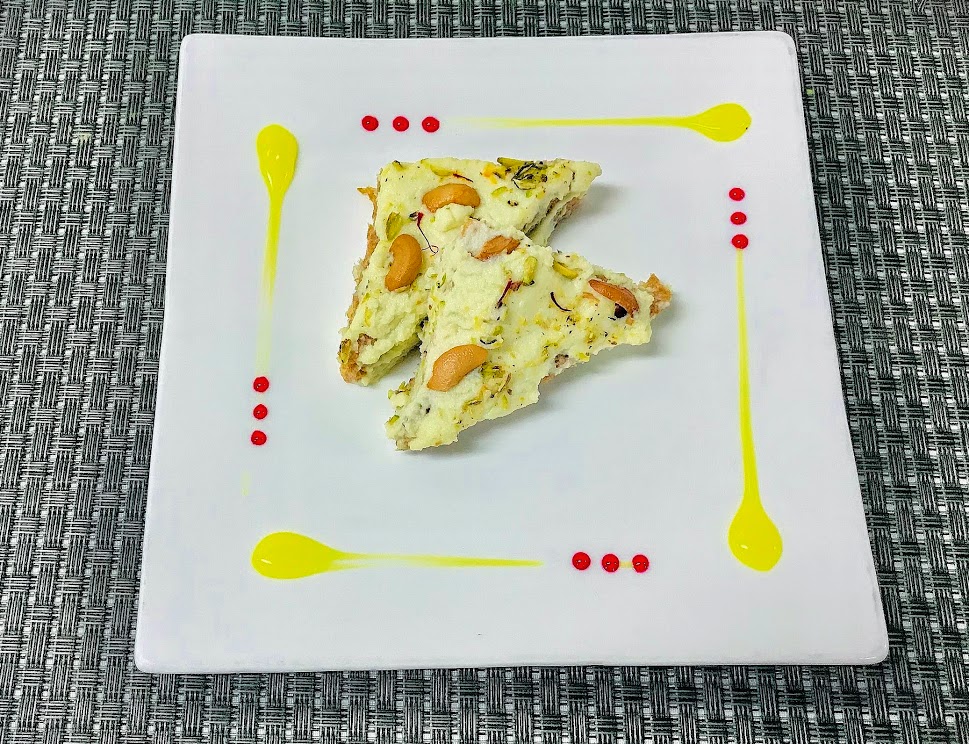
Hyderabadi famous sweet delicacy, which is an inseparable part of their culinary heritage. ‘Shahi Tukda’ also known as ‘Double ka Meetha’ is a delicious as well as indulgent delicacy, which can be prepared very easily at home without putting in much efforts.
Ingredients for making the Shahi Tukda
5 bread slices
1/2 ml water
2 crushed black cardamom
3 cup milk
20 gms cashews
20 gms pistachios
1/2 cup ghee
1/2 cup sugar
6 strand saffron
2 pinches powdered green cardamom
20 gms almonds
2 tbsp sugar
Making of Shahi Tukda
Shahi Tukda is a simple yet delicious recipe, which makes for a delightful treat for sweet lovers. Here’s a simple recipe to make this traditional Shahi Tukda recipe at home. Take a saucepan and heat water along with sugar, once the sugar dissolves add the saffron strands. Let it boil, till the syrup achieves two string consistency. Once the sugar syrup turns a little thick. Put off the stove and keep aside.
Take another pan, boil the milk in medium flame until the milk is reduced to about 1/4th of its original quantity. Do not forget to stir continuously, once the milk is reduced, add cardamom powder, 1/4th part of sugar syrup and mix well. Continue to heat it by stirring continuously for 5 more minutes. Once done, remove the pan from the flame and your rabri is ready. Keep aside until required.
Now, take the bread slices and cut their sides and slice it as two triangles. Then, heat ghee in a pan and shallow fry the bread until they are crisp and golden brown on each side. Once the bread slices are fried, soak each slice in the remaining sugar syrup for about a minute.
Arrange it on the serving dish. Pour the prepared rabri over the bread slices and garnish with the chopped nuts.
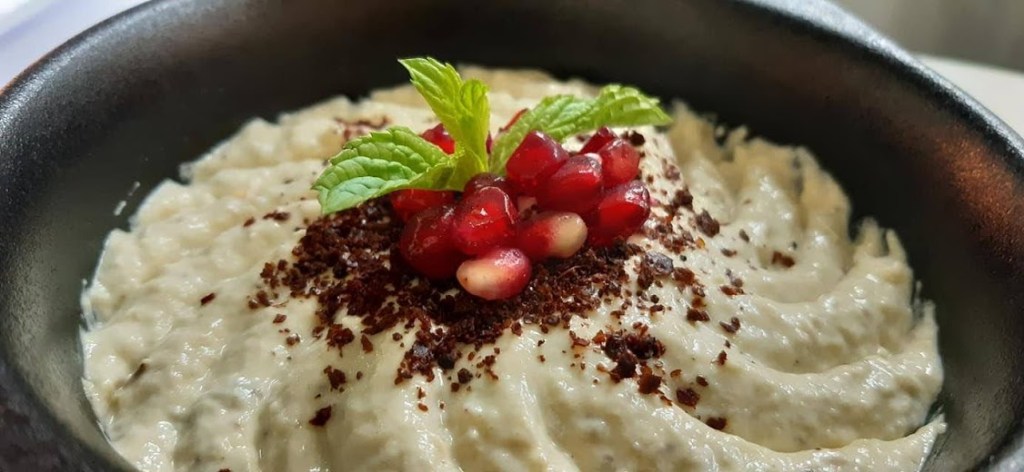
1eggplant large (500 grams or more) 2tbsp tahini 4 tbsp yoghurt 3cloves garlic 1tsp salt or as per taste 2 pcs/nos lemon 2 tbsp extra virgin olive oil
Method of making the Mutabel
Place the eggplant on open flame. Keep rotating until entire skin is charred and flesh inside is soft and pulpy. Inserting a knife or skewer inside will tell you when flesh is completely soft.
Allow it to cool for a bit and then peel the skin off, removing all the cooked, eggplant flesh in a large bowl. Discard any large chunks of seeds.
On a chopping board, add 2 pinches of salt to the peeled garlic cloves and mash them with the side of the knife blade until you get a coarse paste.
Mash the eggplant flesh with a fork, adding the tahini, yogurt, salt, garlic paste, juice of two lemons.
Remove this into a shallow bowl. Garnish with extra virgin olive oil. A sprinkling of sumac and pomegranate seeds (optional) will add colour to the dish.
Serve as a part of a Mezze platter along with hummus, tabbouleh, labneh and pita breads.
Dashi is Japanese soup stock that builds the bases for many of your favorite Japanese dishes like miso soup, chawanmushi, ramen, and shabu shabu. It is the essence of authentic Japanese flavor, and it tells the dishes apart if other substitutions are being used in place of the soup stock. And what defines dashi is the use of carefully selected ingredients like kombu, bonito flakes, shiitake mushrooms, and anchovies, and each ingredient is uniquely Japanese.
Ingredients for making the Dashi
⅓ dried kelp (10 g, 4″ x 4″ OR 10 cm x 10 cm)
⅓ dried bonito flakes (10 g, 1 cup)
4 cups water (roughly 1000 ml)
Method of making the Dashi
Gather all the ingredients. Most Japanese recipes would say to gently clean the kombu with a damp cloth. However, these days, kombu is pretty clean so just make sure it doesn’t look musty. do not wash or wipe off the white powdery substance (Mannitol), which contributes to the umami flavor in dashi.
Make a couple of slits on the kombu, which will help release more flavor.
Make Cold Brew Kombu Dashi
Put water and kombu in a large bottle and let it steep on the counter for 2-3 hours in the summertime and 4-5 hours in the winter time. You can also cold brew kombu dashi overnight in the refrigerator.
To Make Awase Dashi
In a medium pot, put the kombu and water. If you have cold brew Kombu Dashi (previous step), add Kombu Dashi and hydrated kombu in the pot.
Turn on the heat to medium-low heat and slowly bring to almost boil, about 10 minutes.
Meanwhile, clean the dashi by skimming the surface.
Just before the dashi starts boiling, remove kombu from the pot (Reserve the kombu and see below for what to do with it). If you leave the kombu inside, the dashi will become slimy and bitter.
Add the katsuobushi and bring it to a boil again, skimming occasionally.
Once the dashi is boiling, reduce the heat, simmer for just 30 seconds, and turn off the heat.
Let the katsuobushi sink to the bottom, about 10 minutes.
Strain the dashi through a fine-mesh sieve over a bowl or measuring cup (Reserve the katsuobushi and see below for what to do with it). Awase Dashi is ready to use.
3-4 green cardamom – husked and powdered in a mortar-pestle
10-12 cashews
10-12 almonds – blanched and sliced
1 tbsp golden raisins
3.5 to 4 tbsp sugar or as required
1 pinch saffron
2 to 3 tbsp ghee (clarified butter)
Method of making the Kheer
Roasting of makhana and cashewsnuts
Heat 2 to 3 tsp ghee in a pan.
Add the phool makhana and cashews.
On a low flame, roast 1 cup phool makhana and 10 to 12 cashews in ghee till the makhanas become crunchy.
The cashews will also get golden. Stir often while roasting them.
Then remove them in a plate and keep aside.
Making makhane ki kheer
Heat 2 cups milk/500 ml in a sauce pan or a thick bottomed pan.
Stir at intervals so that the milk does not scorch from bottom.
Let the milk come to a boil.
Whilst the milk is getting heated up, reserve 1/3 cup makhana and add the remaining in a grinder or blender jar. Add cardamom seeds from 4 cardamom pods along with a pinch of saffron strands,Grind to a fine powder.
When the milk comes to a boil, then add 3.5 to 4 tbsp sugar or add as per taste.
Add the ground powdered makhana, Then the reserved 1/3 cup makhana, Stir very well.
Simmer till the makhane softens and the milk thickens a bit. About 9 to 10 minutes on a low to medium flame, Scrape the evaporated milk solids from sides and add to the milk.
Add the fried cashews nuts and raisins, Stir and simmer the kheer for a minute or two.
Served makhane ki kheer hot or chilled. as per your preferences, in both ways its amazing and full of After chilling, the kheer’s consistency thickens a bit.
First make the sugar syrup. To make the sugar syrup add sugar to a pan on medium heat. Now add water and mix till sugar dissolves.
After 4-5 minutes the syrup will develop a one string consistency which means that if you put a drop of the syrup between your thumb and index finger and move the fingers apart, you will notice the syrup forming one string/thread. Set aside while you make the ghevar.
Ghevar is the authentic Royal dessert of the Royal Soil
To a bowl add ghee. Now add 1 tablespoon of cold milk and 1 tablespoon of ice cold water to it. We are going to add the milk, flour and water in parts and not in one go.
Start beating it all together using your stand or hand mixer. Once it’s all nice and combined, add 1/4 cup of flour and mix to combine.
Add 1-2 tablespoons more of milk and water and combined. Add cardamom powder and mix.
Add 1/4 cup flour again and mix. Also add in saffron strands. Now add the remaining 1/2 cup flour
Keep adding water and milk little by little and mix till you get a completely smooth and pouring consistency batter. You may need to add more water to the batter than what is mentioned in the recipe if your batter isn’t pouring consistency. You may also add yellow food color if desired.
Now heat ghee/oil in a deep pan on high heat. I used a combination of oil and ghee.
Once the ghee is super hot, pour batter from a height of at least 6-7 inches. Pour batter little by little in a constant flow into center of the pan The batter will sizzle up and spread immediately.
Wait for a minute and then pour another ladle full from top in the center of the pan. Wait few seconds and then using a chopstick or any other elongated utensil, remove some batter from the center so what you get a hole in the center to lift the ghevar once it’s done.
Pour 2 more ladles of batter, repeating the same steps again. You may add more batter if you want a thicker ghevar. Once you are done with all the layers, take a stick and press ghevar slightly inside the oil so that the top gets evenly cooked.
Once it’s all nice and brow, very carefully insert the stick in the center of the ghevar and take it out of the pan.
Place on serving plate and drizzle evenly with warm sugar syrup. You may dip the ghevar in the sugar syrup too, either way is fine. Make sure sugar syrup is warm when you dip the ghevar in it.
Garnish ghevar with nuts, rabdi (thickened milk) and saffron sprigs, enjoy this delicious desserts with your family and friends.