400ml can coconut milk or maggi coconut milk powder
2 tsp fermented fish sauce
100g rice noodles
2 lemon , juice of 1, the other halved
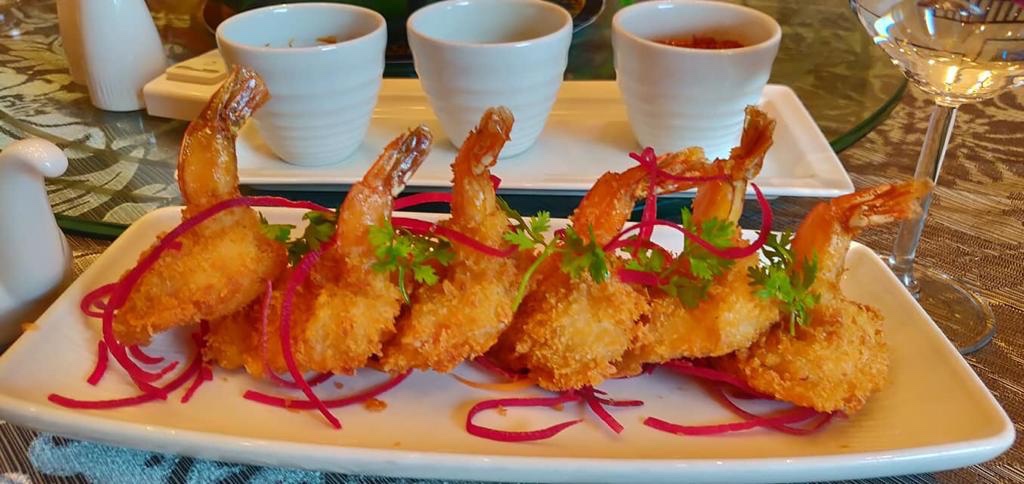
150g cooked king prawns
½ small pack coriander, roughly chopped
bread croutons of one slice optional
Method of making the Curried Laksa
Heat the oil in a medium saucepan and add the chilli. Cook for 1 min, then add the curry paste, stir and cook for 1 min more. Dissolve the stock cube in a large jug in 700ml boiling water, then pour into the pan and stir to combine. add in the coconut milk and bring to the boil.
Add the fish sauce and a little seasoning. Toss in the noodles and cook for a further 3-4 mins until softening. Squeeze in the lime juice, add the prawns and cook through until warm, about 2-3 mins. Scatter over some of the coriander.
Serve in bowls with the remaining coriander and lime wedges on top for squeezing over, and decorate it with lemon wedge and mint leaves.
one of my personnel favorite, its a complete meal in its own, enjoy it with your family and friends, a meal full of energy and proteins.
Please Note
When you are adding the fish sauce then be careful while adding the seasoning, basically fish sauce is the only seasoning for curried Laksa.
Boil the Basmati Rice, but don’t add spices and keep aside.
Marination of prawns- Marinate the prawns with the marinated ingredients.
Heat oil in a wok or frying pan. Add the prawns and cook them for 3 to 4 mins till it is curled and cooked. Remove the prawns and set aside.
In the pan, add onions, garlic, ginger, green chillies and capsicum. Saute for a min. Now add in soy sauce, vinegar, salt, sugar and pepper. Add in the cooked prawns and toss well.
Add the rice tossed well for at least 3 to 4 minutes, combined all the ingredients,garnished with chopped spring onions, served hot with any sauce or main dish of your choice.
Please Notes
Cooking Rice is a key for a perfect fried rice. Cook rice till it becomes fluffy. and carefully strained and let it cool.
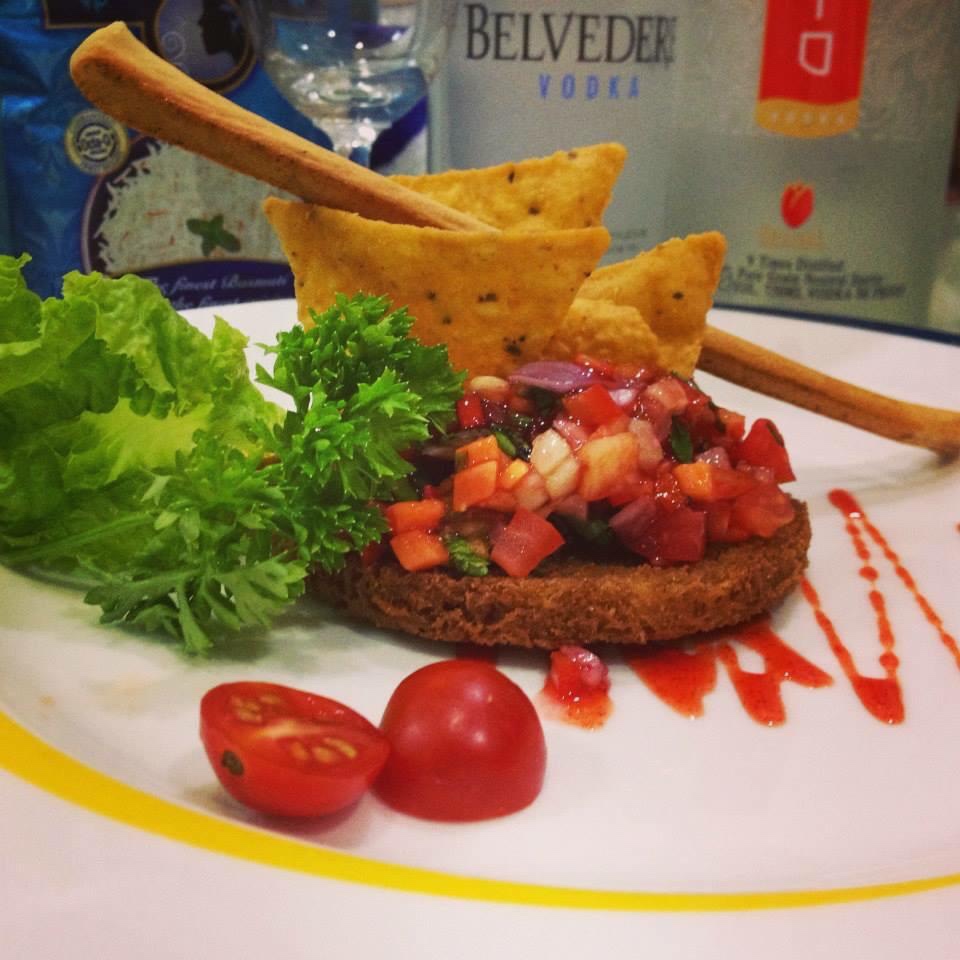
Quarter the eggplant lengthwise. Scoop out the very seedy parts and discard. Cut the remaining eggplant into 1/2-inch dice. In a colander set in the sink, lightly salt the eggplant cubes and toss well. Top with a sturdy plate weighed down with a heavy can and let drain for 1 hour. Rinse the eggplant cubes and pat dry.
In a large skillet, heat 1 tablespoon of the oil. Add the eggplant and cook over moderately high heat, stirring occasionally, until tender, about 5 minutes. Transfer the eggplant to a bowl.
Add the onion and the remaining 2 tablespoons of oil to the skillet and cook over moderately low heat until the onion is tender, about 6 minutes. Return the eggplant to the skillet. Stir in the capers, olives and balsamic vinegar and cook until the vinegar has evaporated. Add the tomato sauce and cook over low heat, stirring, until thickened, about 2 minutes. Season with salt and pepper and transfer to a bowl to cool.
Shortly before serving, spread the caponata on the baguette toasts and garnish with the basil.
Add the water, olive oil and Parmesan cheese and mix until you have a uniform mix. Wrap in cling film and let the dough rest in the fridge for half an hour.
Roll out 1/4 of the dough slightly with a rolling pin and then start to pass it through the pasta machine starting with the thickest setting until it reaches 1mm thick.
Cut the rolled out dough in whichever shape you like. Place the crackers on a tray lined with baking paper. Repeat with the rest of the dough. Use a fork to poke holes into the crackers. Cook the crackers in a preheated oven at 1880C / 350F for 8-10min. We only want a light golden colour.
For the dressing
Whisk together the mustard, salt, pepper and lemon juice.
Add the olive oil little by little while whisking. Taste and correct the level of salt if necessary.
If the dressing splits give it a final whisk before serving.
For the salmon carpaccio
Freeze the salmon overnight. Remove it from the freezer 20min before cutting.
Use a sharp knife to cut thin pieces of salmon and start laying them out on a plate. The fact that it’s frozen helps us make thinner slices. They will unfreeze really fast once they’re on the plate.
Cut the radishes and onion really thin or use a mandoline.
Sprinkle the capers on the carpaccio and lemon zest.
1 cup khoya (mawa or dried evaporated milk solids) or 200 grams khoya
¾ cup grated paneer or 100 grams of paneer (cottage cheese)
3 tablespoon all purpose flour
2 tablespoon fine sooji (rava or semolina)
4 green cardamoms – powdered in a mortar-pestle or
½ teaspoon cardamom powder
1 tablespoon milk or add as required
¼ teaspoon baking powder
oil for deep frying the gulab jamun
for sugar syrup
250 grams sugar or about
1.75 cup sugar1 cup water
1 tablespoon rose water
1 tablespoon milk (optional) – read notes
Method of making the Gulab Jamun
making gulab jamun balls
Take khoya (mawa or evaporated milk) in a bowl. Mash it very well. There should be no lumps. You can also grate and then mash the khoya.
Then add grated paneer, rava (sooji), all purpose flour (maida), baking powder and cardamom powder to the mashed khoya. There should be no lumps in both the mawa and paneer.
As if they are there, then you will find the texture of the gulab jamun not so good. The bits and pieces of mava or paneer will give a bite in the mouth, when you have the gulab jamun. They won’t be smooth.
Mix well. Add milk and gather together to form a dough with milk. Don’t knead.
Just gently mix. If you are unable to form balls or if the mixture appears dry, then add a few teaspoons of milk. Cover the dough and keep aside for 30 mins.
Make small balls from the dough. Cover the balls and keep aside.
Making sugar syrup for gulab jamun
Dissolve sugar in water. Heat the sugar solution till it become sticky. You just need to switch off the fire before the syrup reaches a one thread consistency.
Add rose water and stir. Keep the sugar solution aside. On cooling if the sugar syrup crystallizes, then just add 2 to 3 tbsp water and warm the syrup again. It will again return to a liquid state.
frying gulab jamun
Meanwhile, while the sugar syrup is cooking, heat oil till its medium hot. Lower the flame and wait for a minute. Then gently place the gulab jamun in the oil.
Once they start to have tiny golden spots, keep on rotating them in the oil, so that the gulab jamun are evenly browned.
Remove the gulab jamun and then drain them on kitchen paper towels to remove excess oil.
Making of the Gulab Jamun
Then place the hot gulab jamun in the sugar syrup. Continue frying the gulab jamun this way in batches.
When all the gulab jamun are placed in the sugar syrup, then keep the whole pan with the sugar syrup and gulab jamun, on a low flame for 1 to 2 minutes till the jamun become soft.
Heating helps the gulab jamun to absorb the syrup and become soft. The jamun increase a bit in size. Don’t overcook as then the jamun can break.
Use a large pan, so that the gulab jamun are not overcrowded and you can easily stir them gently while they are simmering.
Serve gulab jamun warm or at room temperature. You can also chill the gulab jamun and serve them cold. Garnish the gulab jamun with rose petals or almond Flakes.
Please Note
1. If the sugar syrup has impurities, then add milk and simmer. A layer of scum will be formed. Remove this layer with a spoon.
Chinese hot mustard sauce 2 tbsp. unseasoned rice vinegar 2 tbsp. soy sauce 2 tbsp. sugar 1 tbsp. toasted sesame oil 4 tsp. Chinese mustard powder 2 tbsp. vegetable oil
Method of making the Double Cooked Lamb
1. For stir-fry sauce: In large saucepan, whisk soy sauce, vinegar, sesame oil, pepper and ¼ cup water; bring to a boil. Reduce heat to low. In small bowl, whisk together cornstarch and 1 tablespoon water until smooth to form a slurry. Slowly add to soy mixture; whisk constantly. Increase heat to medium-high; whisk until mixture thickens, 1 to 2 minutes. Sauce should be shiny and coat the back of a spoon. 2. For hot mustard sauce: In small bowl, whisk together vinegar, soy sauce, sugar and sesame oil. Add mustard powder; whisk vigorously until thoroughly blended. Slowly drizzle in vegetable oil, whisking constantly, to emulsify sauce. It will be thick and shiny. 3. For lamb belly bacon: In small saucepan, toast cinnamon stick, cumin, coriander, red pepper flakes and peppercorns over low heat until fragrant, 3 to 4 minutes. Rub toasted spices over lamb belly. Sprinkle brown sugar and 3 tablespoons vinegar over lamb belly and rub in. 4. Preheat oven to 350 F. In large braising dish or Dutch oven, scatter celery, scallions, onions, carrot, garlic and ginger evenly on bottom. Lay lamb belly directly on vegetables; evenly pour chicken broth, 1/2 cup black vinegar and soy sauce over top. Cover lightly with aluminum foil (or cover with lid if using a Dutch oven). Place over high heat for 5 minutes. 5. Remove pan from stove; place in oven. Braise for 1½ hours; remove from oven. When cool enough to handle, remove lamb and place on rack on baking sheet to cool. It will have shrunk to about half the original size and will be very fragrant. Discard vegetables and excess juice. 6. Once cool, wrap lamb tightly in plastic wrap; place in freezer until completely cool and firm, about 15 minutes or up to 1 hour. Slice lamb belly lengthwise into 1/4-inch strips resembling bacon. Slice strips into thirds; set aside. 7. For stir-fry: Fill a large bowl with ice water; set aside. Fill a large pot with water; bring to a rolling boil. Add beans; cook just until the color changes, about 2 minutes for long beans and 1 minute for green beans. Quickly remove beans from water with a slotted spoon or drain in a colander; plunge beans into ice water to stop cooking. Remove cooled beans from water; pat dry with paper towels and set aside. 8. Fill pot again with water; bring to rolling boil. Drop in noodles and turn off heat. Let noodles soak for 8 minutes; drain. Toss with 1 tablespoon oil to keep from sticking; set aside. 9. Heat a wok or large, heavy, flat-bottomed skillet over high heat; add 3 tablespoons oil. Add noodles; stir-fry until warm and develop a bit of char, about 1 minute. Divide among 4 bowls. 10. In same wok or skillet over medium heat, lay half the sliced lamb belly as flat as possible; cook until crispy, 2 to 3 minutes. Remove with a slotted spoon; place on a paper towel-lined plate. 11. To the lamb fat in the wok, add half the leeks; toss until they are soft, about 1 minute. Add half the long beans; stir-fry 1 minute. Add half the cabbage; stir-fry for another 1 minute. Return lamb belly bacon to the wok; add about half the stir-fry sauce and toss for 1 minute. Add 2 tablespoons Chinese hot mustard sauce; stir. Divide stir-fry between two bowls. Repeat with remaining stir-fry ingredients to make two more bowls. Garnish with cilantro and sesame seeds.
Serve hot garnished with golden fried/burnt garlic on the top which will give a very unique flavor in the dish. enjoy with noodle or rice.
Combine 1/3 cup butter, 1/2 teaspoon pepper and 1 teaspoon garlic powder. On a 6×6 inch piece of aluminum foil, spread mixture to about 2×3 inches. Place this mixture in the coldest section of your freezer and freeze until firm. This can be done ahead of time.
Remove all fat from the chicken breast. If using whole chicken breasts, cut them in half. Place each chicken breast half between 2 pieces of waxed paper and using a mallet, pound carefully to about 1/4 inch thickness or less.
When butter mixture is firm, remove from freezer and cut into 6 equal pieces. Place one piece of butter on each chicken breast. Fold in edges of chicken and then roll to encase the butter completely. Secure the chicken roll with small skewers or toothpicks.
In a mixing bowl, beat eggs with water until fluffy. In a separate bowl, mix together 1/4 teaspoon black pepper, 1/2 teaspoon garlic powder, dill weed and flour. Coat the chicken well with the seasoned flour. Dip the floured chicken in the egg mixture and then roll in the bread crumbs. Place coated chicken on a shallow tray and chill in refrigerator for 30 minutes.
In a medium size deep frying pan, heat vegetable oil to medium-high. Fry chicken for about 5 minutes then turn over and fry for 5 minutes longer or until the chicken is golden brown. check weather cooked or not cut into one of the rolled chicken breasts to make sure it doesn’t have a pink interior. Serve immediately, garnished with a sliced lemon twist and a sprinkling or parsley.
Please Note
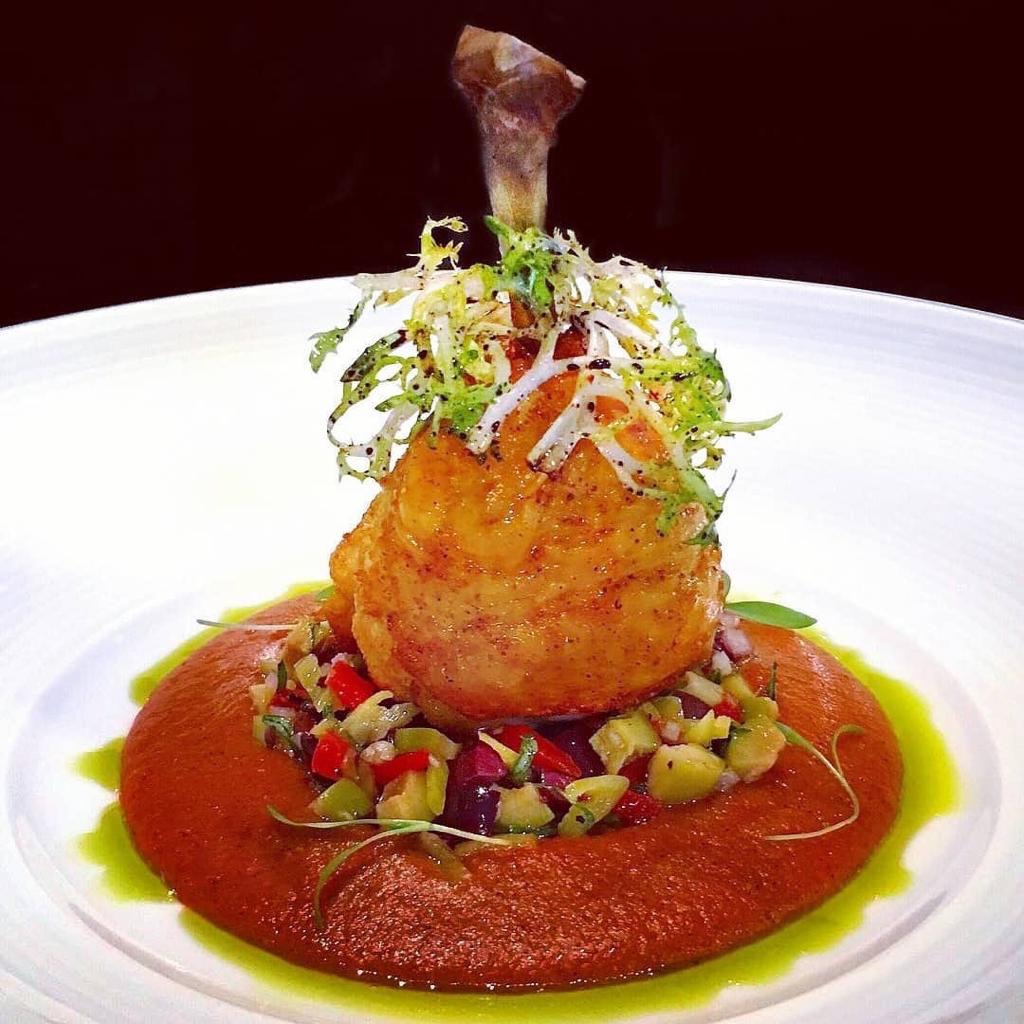
Above illustrated pic is a new version with veggies and risotto, created by me for my Love on the special occasion of Valentine’s day !!
1 lb green beans washed, trimmed, and cut to half their length
6 cloves of garlic minced
1/2 -1 tsp salt
vegetable oil for frying
ice for water bath
Method of making
Blanch the Green Beans (optional)
To preserve the color of the beans for the final dish you will want to blanch the beans. If you aren’t worried about the color you can skip this step.
In a large bowl, fill with ice and add water to the ice. Add water to your wok, enough to cover all the beans. Bring water in wok to a boil and add green beans. Cook for 30 seconds and immediately remove and put into the ice bath to stop the cooking process.
Fry the Green Beans
Remove water from wok if you blanched the green beans. Add a shallow amount of oil to the wok, about 1/4 inch deep. Once oil is hot, add green beans and fry for about 1 minute, or until the skin just starts to wrinkle. Careful to not over-fry or the beans will lose their crispness.
Remove green beans and put them on a plate lined with paper towels to soak up some of the oil. Drain all but 1 tbsp of the oil out of wok and place wok back on the stove.
When wok is hot, add in garlic and cook on high heat until the aroma of garlic comes out and it begins to brown. Add green beans back in and stir fry with garlic. Season with salt. Cook until beans are cooked to desired done ness and have incorporated the garlic flavor (about 1-2 minutes). Eat while hot.
Healthier technique
If you choose to, start by blanching the green beans as described in step 1 otherwise you can skip this step.
Add 1 tablespoon of oil to the wok. Once heated, add green beans. Stir fry them for a few minutes at high heat.
Add about 1/4 cup of water to the wok, cover it with lid, and steam the beans until they are almost cooked. Remove cover. Add about 3 tbsp of oil and continue cooking until beans start to wrinkle.
Remove beans and place on a plate lined with paper towels to soak up excess oil. Drain all but 1 tbsp of the oil out of the wok and place wok back on the stove. then repeat the above step to get the desired dish as per your liking.
Take ½ cup fine rava, ½ cup rice flour and ¼ cup maida in a bowl.
Then add ⅓ cup chopped onions, 1 or 2 green chilies (chopped), and ½ inch ginger (chopped).
Also add ½ tsp crushed black pepper, ½ tsp cumin seeds/jeera, 8 to 10 curry leaves (chopped) and salt as required.
Add 2 to 2.5 cups water. Depending on the quality of rava or sooji and rice flour, you can add less or more water – from 1.5 to 2.5 cups water. I added 2.25 cups water.
Whisk till smooth without any lumps.
If the batter looks thick or has a medium consistency, then add more water. If the batter looks very thin and runny, then add some rice flour.
Cover and let the dosa batter rest for 20 to 30 minutes. Once the batter rests, you will see that the rava and the flours have settled down and the water will be floating on top.
Making of Rava dosa
Before preparing dosas, mix the batter very well. Spread some oil on the tawa. Do make sure that the tawa is hot.
With a ladle pour the dosa batter. Start from the edges move towards the center.
If there are big or small gaps, then fill them lightly with the batter.
On a medium-low to medium flame, cook the dosa.
When the top side looks cooked, then sprinkle ½ to 1 tsp oil on the top and sides.
Spread oil all over the dosa with a spoon.
Rava dosa takes a little longer time to cook than regular dosa.
Cook till the base is golden and crisp.
The more you cook the dosas and the more golden it becomes, the more crisp it will be. You can even cook both the sides if you want.
Fold and then serve hot with coconut chutney and sambar.
The flours settles down at the bottom of the batter. So you have to stir and mix the batter very well every time you make dosa. In case the batter becomes thick after making a few dosas, then add some water and stir again.
Served hot with coconut chutney or dosa podi or any chutney of your choice.